


When people talk about Middle‑East tensions, most think of geopolitical conflicts in news reports. Few notice that this far‑away unrest is quietly reshaping day‑to‑day operations for restaurants all over Europe. Unlike the direct blows hitting energy and shipping sectors, pressure on European catering unfolds as a slow‑burning chain reaction: surging energy costs, rising ingredient prices, and cautious consumer spending. Every link adds extra strain for restaurant owners.
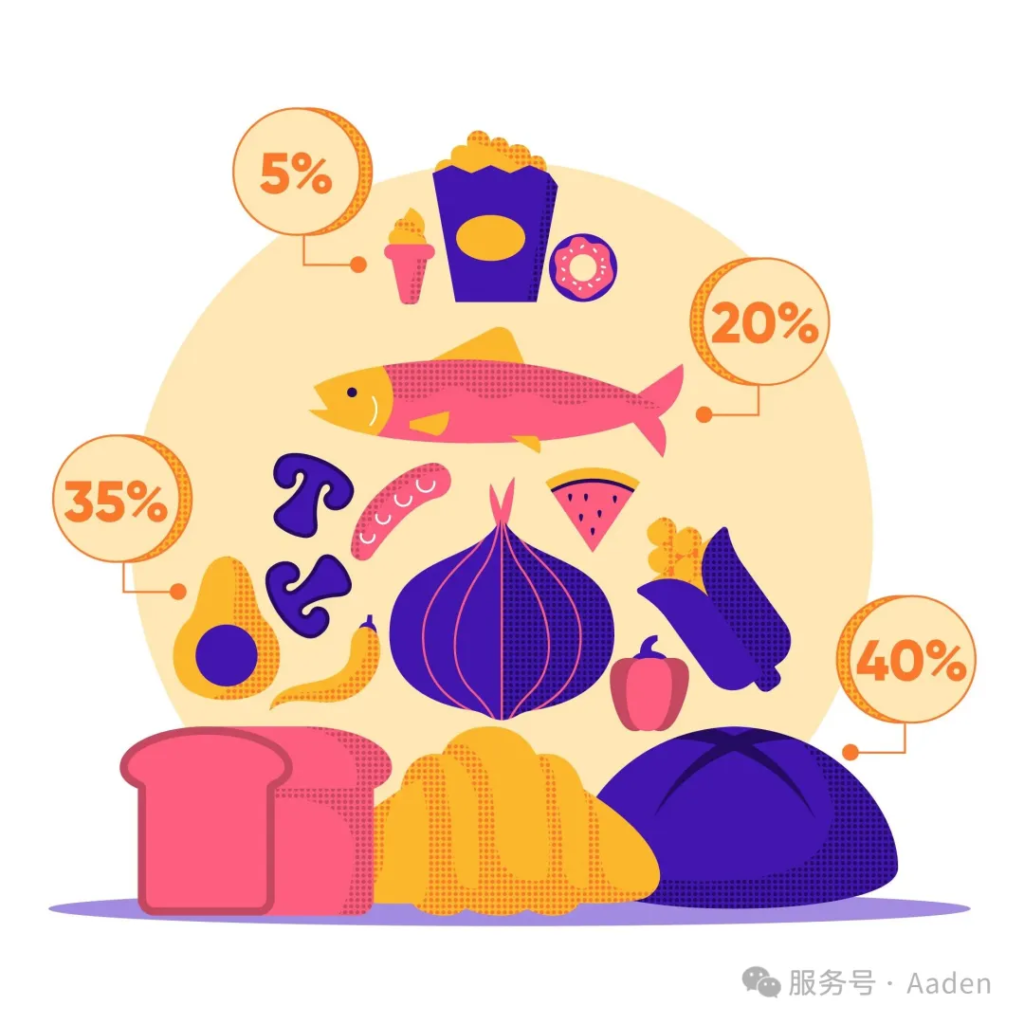
1. Core Impacts of Middle‑East Tensions on Europe’s Catering Sector
As a global hub for energy and trade, instability in the Middle‑East hits European restaurants on three persistent fronts.
First, soaring energy costs. Middle‑East unrest disrupts shipping through the Strait of Hormuz and pushes up international oil and gas prices. European restaurants are highly energy‑dependent: kitchen gas, cold‑chain storage for ingredients and venue heating are all essential. With tight public budgets across many European countries, large‑scale government subsidies are unavailable. Most energy‑price increases fall directly on restaurant operators, squeezing profit margins.
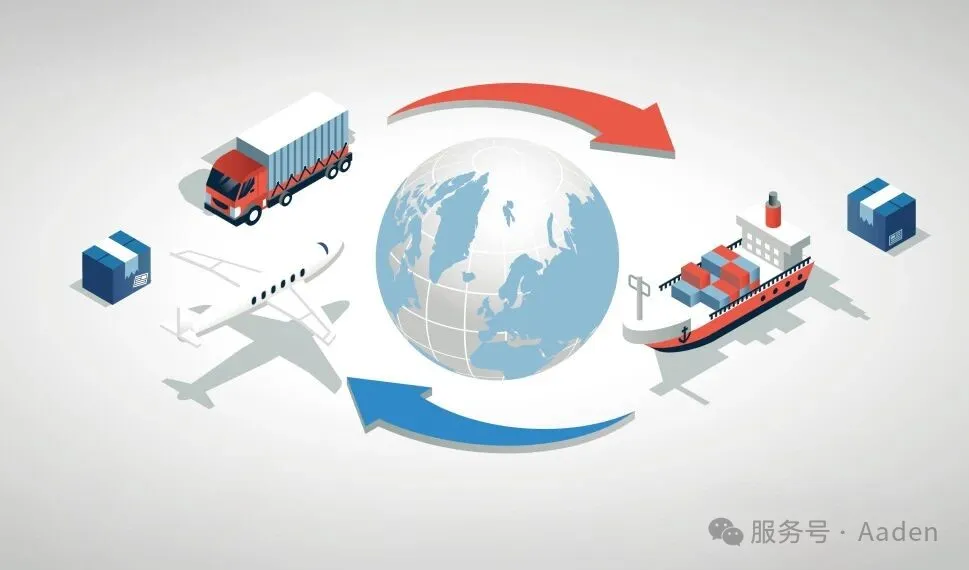
Second, strained supply chains. The Middle‑East is a major global fertiliser exporter. Disruptions create fertiliser shortages, driving up agricultural production costs across Europe and lifting food‑ingredient prices. Combined with higher freight rates and limited shipping container space, restaurants relying on imported goods face higher procurement costs plus potential supply interruptions. Southern‑European venues using Middle‑Eastern spices and olive oil feel this pressure most acutely.
Third, shrinking consumer demand. Economic uncertainty stemming from geopolitical tensions erodes European consumer confidence. Diners eat out less frequently and spend less per visit. Orders for high‑margin dishes drop. Coupled with climbing labour costs, owners are trapped in a dilemma: raising prices risks losing customers, yet keeping prices low makes profitability difficult.
Additionally, plastic‑related operational expenses are rising. Middle‑East turbulence affects global petrochemical markets. Since plastic feedstock derives from petroleum, prices for takeaway containers, plastic bags and disposable tableware used widely in catering increase further. This burden weighs especially heavy on restaurants with large take‑away and delivery volumes.
2. Practical Countermeasures for European Restaurant Operators
Passively enduring mounting pressure is not a viable strategy. Below are five actionable, detail‑oriented approaches tailored to European catering realities. They require no heavy investment and can be implemented immediately to contain costs and stabilise customer flow.
1. Cost‑control optimisation
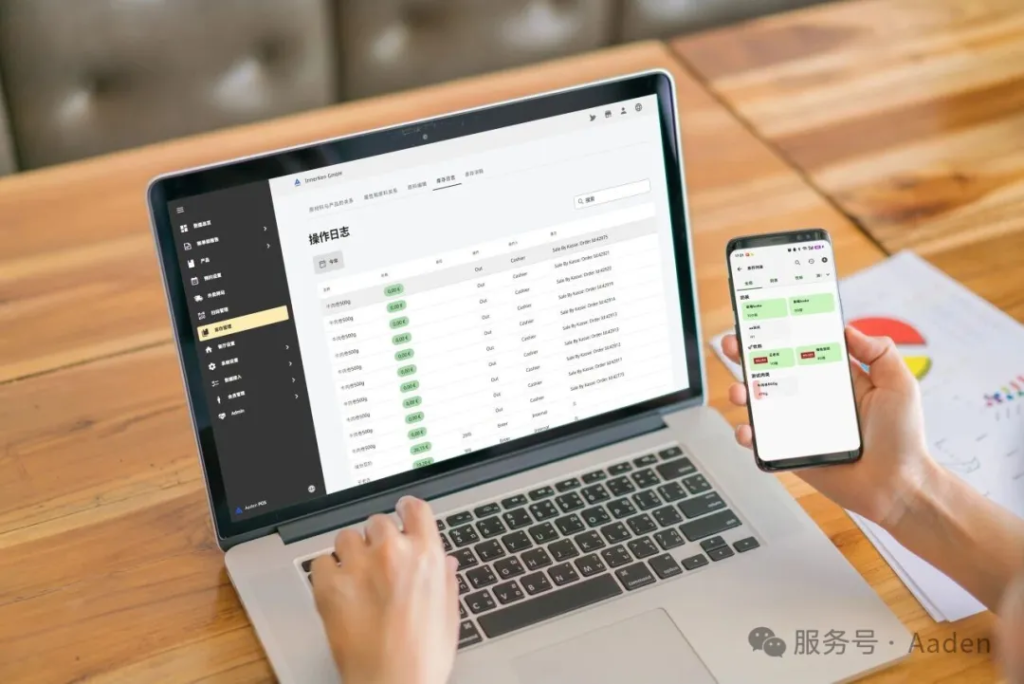
Avoid reckless lay‑offs, which often damage service quality and alienate regular guests. Prioritise boosting staff productivity via operational tools. Deploy simple QR‑code ordering and online‑redemption systems to cut manual order‑taking and reconciliation workload for front‑house staff, enabling one server to cover more tables. Adopt automated inventory‑sync tools in the kitchen to receive real‑time alerts for stock levels and expiring ingredients, eliminating human‑counting errors and food waste.
Tighten energy consumption management: turn off non‑essential cold‑chain units, lighting and air‑conditioning outside peak dining hours. Plan kitchen cooking sequences to batch‑prepare food and reduce gas waste. Negotiate long‑term contracts with energy suppliers to secure better gas and electricity rates for sustained savings.
2. Supply‑chain restructuring
Reduce dependence on imported raw materials. Build stable long‑term partnerships with local farms and fresh‑produce suppliers. This cuts cross‑border logistics fees, mitigates supply‑disruption risks from volatile shipping, and creates a marketable selling point: “fresh local produce delivered daily”. It aligns well with European consumer demand for healthy, sustainable food and strengthens brand competitiveness.
Refine purchasing patterns using visitor‑volume data from the past 1‑3 months to order appropriate ingredient quantities and prevent spoilage from over‑buying. Where possible, replace price‑volatile imported goods such as certain spices and olive oil with high‑quality local alternatives. Maintain dish flavour profiles while lowering procurement exposure to global supply‑chain shocks。
3. Menu re‑engineering
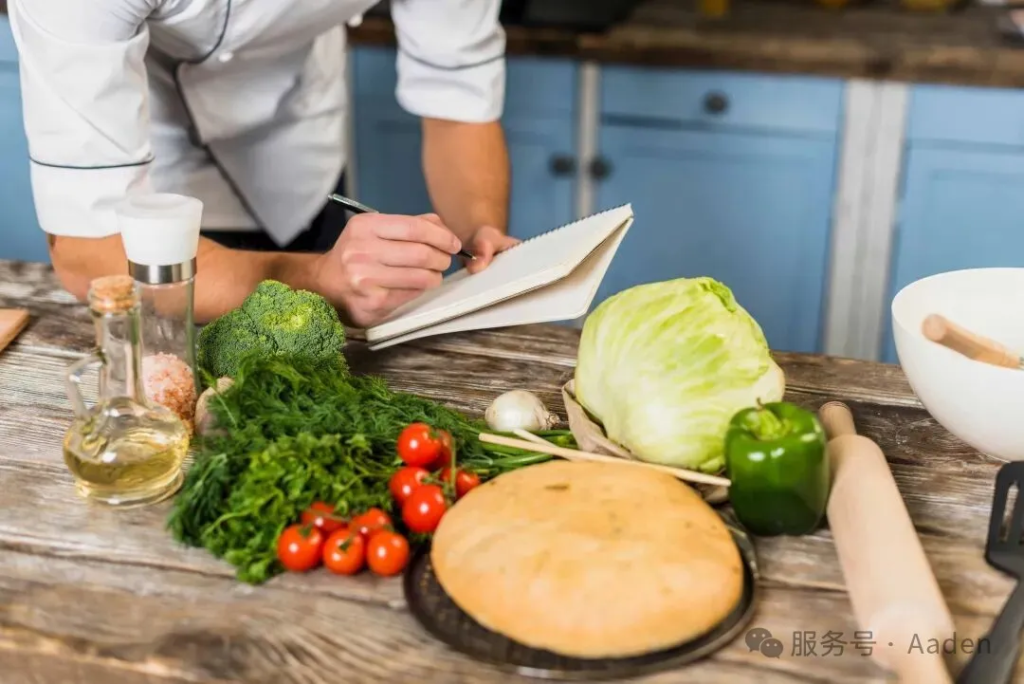
Audit your full menu and decisively remove low‑margin, slow‑selling, high‑cost dishes. Concentrate resources on 3‑5 core hit and high‑profit items to sharpen quality and build differentiation.
Update menus seasonally in response to ingredient‑price swings, prioritising locally‑sourced seasonal produce to lower costs and deliver novelty for guests.
If price adjustments become necessary, apply small incremental increases rather than large one‑off hikes that alienate loyal patrons. Launch affordable solo‑diner sets and value‑for‑money duo menus to serve diverse spending capacities, balancing profitability and footfall. Labelling ingredient origins on menus further builds customer trust.

4. Digital enablement
You do not need costly custom‑built digital platforms. Focus on three practical goals: saving time, cutting costs and avoiding risks.
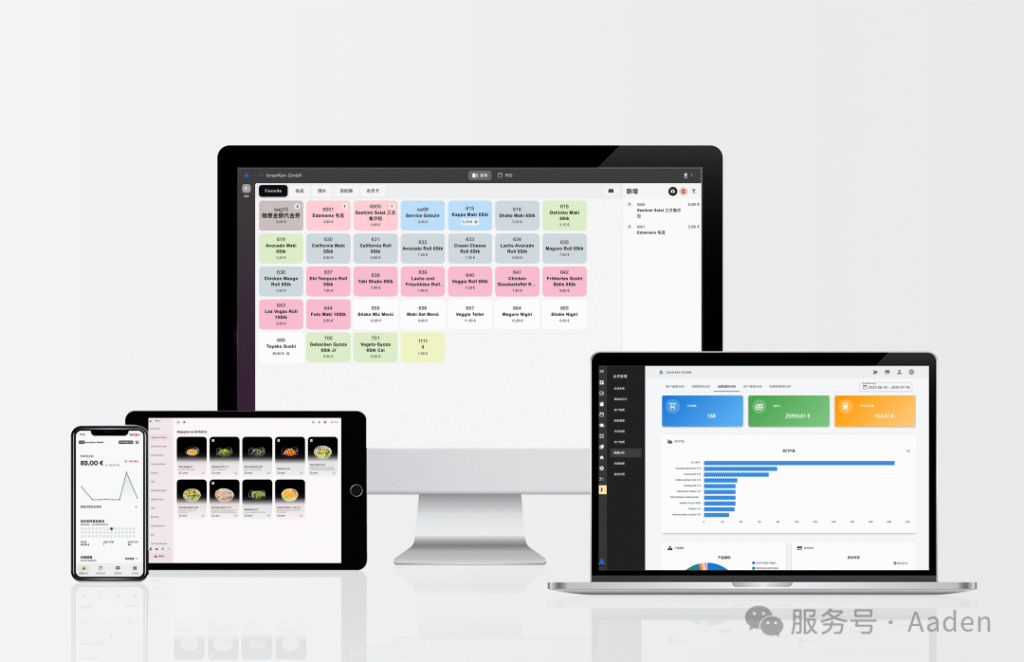
Use multi‑currency, multi‑tax compatible accounting tools built for Europe. Automate daily revenue‑and‑expense aggregation and one‑click report generation. This prevents manual‑bookkeeping mistakes and tax‑penalty risks, reducing workload for in‑house or external accountants. Deploy basic analytics to track dish performance and peak‑hour patterns, informing pricing and inventory decisions. For example, run limited‑time promotions during off‑peak slots to minimise food and labour waste.
Leverage social‑media channels such as Facebook and Instagram to share restaurant updates and dish highlights. Low‑cost organic social outreach boosts visibility, acquires new patrons and retains existing customers without expensive marketing budgets.
5. Peer collaboration
Small‑to‑medium restaurant owners do not need to operate in isolation. Form loose alliances with nearby peers of similar scale.
Pool purchasing volumes with local suppliers to negotiate better bulk rates. Share cold‑chain logistics capacity to split transport overhead and cut redundant deliveries.
Run joint promotional initiatives: neighbourhood dining vouchers or cross‑restaurant bundled offers to drive mutual traffic and share marketing expenses. Exchange hands‑on experience about cost mitigation and customer retention. Learn from peers’ proven solutions to avoid common pitfalls and improve collective risk resilience.
3. Industry Outlook & Key Takeaways
Given Middle‑East geopolitical trajectories and the pace of European economic recovery, catering‑sector headwinds will persist for some time. This period acts as an industry filter: small operators clinging to outdated business models and merely weathering shocks will likely be eliminated by the market. Businesses that adapt proactively can survive this phase and refine operations for future recovery.
The priority today is not to complain about pressure, but to act swiftly. Make gradual improvements across costs, supply chains and menus. The resilience of the catering industry lies in operators’ flexibility and persistence. Only by embracing change can you hold your ground amid turbulence and capture emerging opportunities.

Scan the QR code to get your exclusive digital solution