


Have you noticed? Step into a trending restaurant in 2026, and the most‑loved dish on the menu may no longer be fancy molecular gastronomy, but something as simple as charcoal‑grilled fish or wood‑fire roasted vegetables. Non‑alcoholic pairings have become a new dining norm. Chefs even complete final cooking steps right beside your table…
This is not mere nostalgia; it marks a profound transformation across the hospitality industry.
Hundreds of Michelin inspectors have released their 2026 industry observation report, pointing out that global dining is “slowing down”. Instead of chasing novelty for novelty’s sake, the sector returns to fundamentals: drawing on fire, smoke, time‑honoured techniques and culinary heritage to deliver deeper, more authentic flavours.
Below are the seven core trends reshaping restaurants worldwide.
01 Fire and Smoke Take Centre Stage in the Kitchen
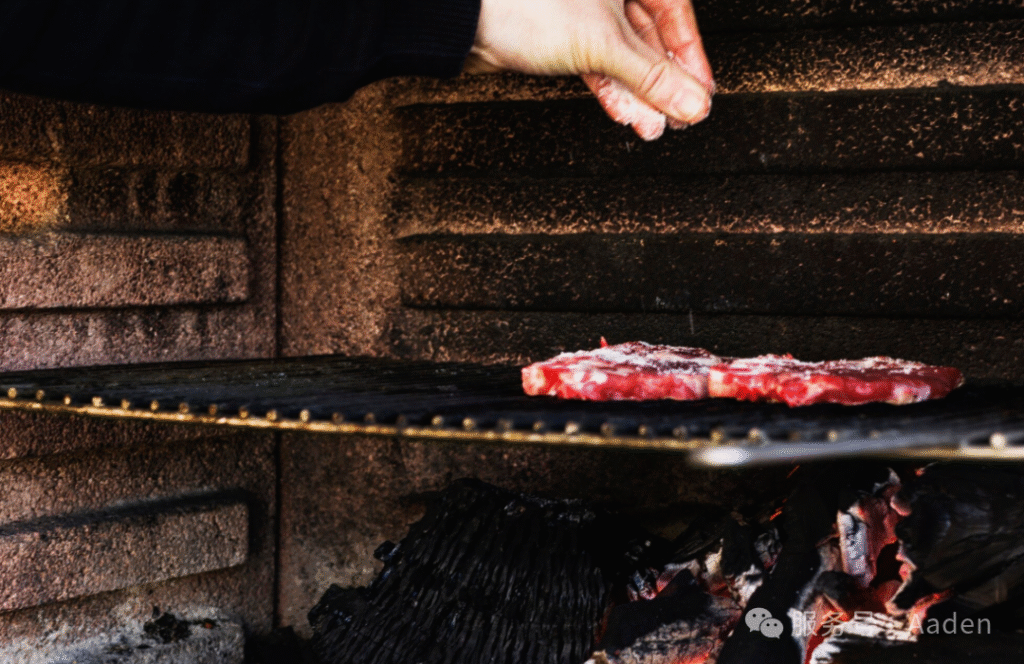
The most striking shift in 2026 global gastronomy is the renewed fascination with fire.
Michelin observers note that growing numbers of chefs embrace open flame, charcoal and smoking as core craft skills. This movement extends well beyond barbecue outlets and into fine‑dining circles.
Unlike basic grilling of the past, modern flame‑driven cooking focuses on layered flavour: balancing char, smoky notes and the intrinsic taste of raw ingredients has become a key judging criterion. Menus increasingly feature labels such as ember‑cooked and wood‑fired.
Industry insiders interpret this return to primal cooking methods as a reflection against mass‑produced industrial food. As diners crave authenticity and visible human craftsmanship, fire acts as the perfect bridge connecting raw produce and emotional dining experience.
02 Revival of Traditional Cuisines
Another defining trend is the contemporary reinvention of regional culinary heritage across the globe.
From Eastern Europe to Asia, chefs reinterpret classic local dishes: preserving familiar nostalgic flavours while applying modern refinements.
Many home‑style classics are re‑imagined with refreshed plating, reduced greasiness and enhanced flavour structures. They retain emotional roots while matching modern aesthetic expectations. Driven by a renewed sense of cultural identity in a globalised world, today’s kitchens prioritise telling compelling local stories over the fusion‑heavy fashions of previous years.
03 Flavour Shift: Bitterness and Umami Gain Prominence
Taste profiles are evolving in 2026. Multi‑layered complexity replaces one‑note sweet or sharp‑sour sensations.
According to the report, bitterness and umami form the new flavour backbone. Ingredients such as chicory, bitter leaf salads and seaweed see wider adoption. Fermentation, ageing and concentrated stocks further deepen taste dimensions. Sour notes remain present yet step into a supporting role.
Tea‑infused cooking also gains traction. Teas are used for smoking meats and seasoning seafood, bringing delicate bitter undertones and aromatic depth.
This change mirrors maturing consumer palates: diners no longer merely seek “tasty food”, but crave rich, multi‑faceted sensory experiences.
04 “Time” Becomes a New Culinary Tool
If fire shapes food through heat, time emerges as another critical kitchen variable in 2026.
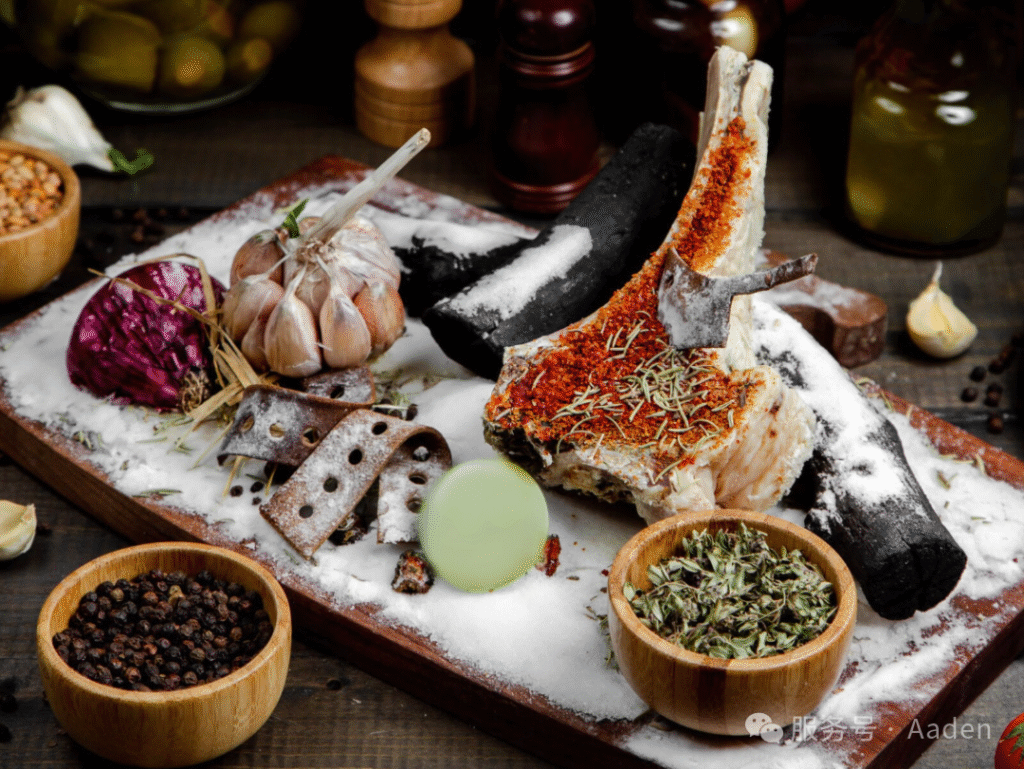
Michelin inspectors highlight that slow processes including fermentation, brining and ageing are elevated to core flavour‑building techniques.
From long‑term Nordic preserving methods and Asian fermented staples to Western dry‑aged meats, chefs treat time as a precisely controllable “seasoning”.
These practices boost dish complexity while supporting sustainability goals by extending ingredient lifespans and cutting food waste.
05 Rise of Premium Non‑Alcoholic Beverages
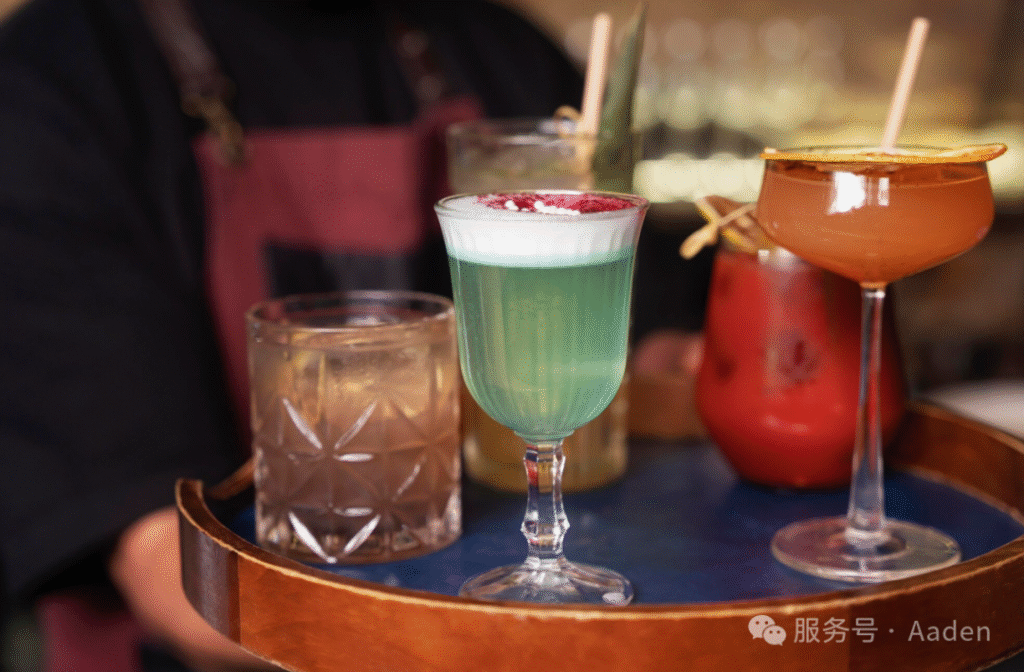
On the drinks front, sophisticated non‑alcoholic pairing programmes are booming.
More restaurants curate dedicated non‑alcoholic tasting menus as alternatives to classic wine pairings. Drinks combine fermented liquids, herbal extracts and brewed teas to create harmonious flavour dialogues with food. Aligned with global mindful‑drinking movements, the trend resonates strongly among younger demographics.
Analysts view this as more than a health shift: it signals dining’s transition from alcohol‑centred enjoyment to flavour‑led experiences.
06 The Bistro Aesthetic Goes Global
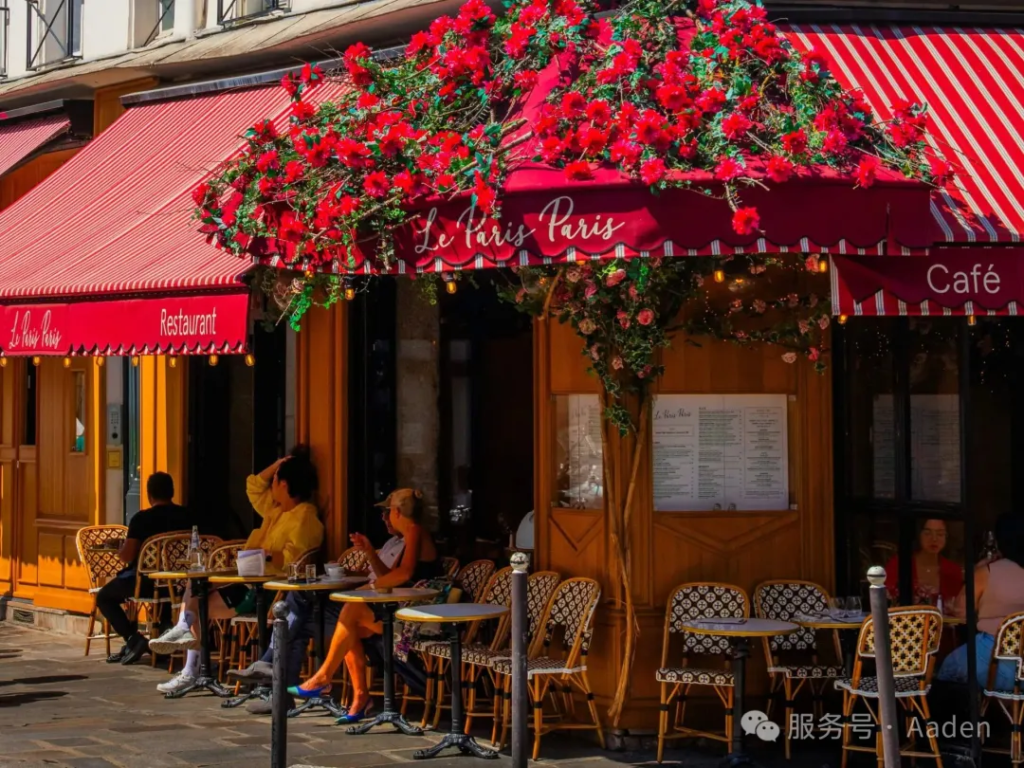
Michelin inspectors observe a worldwide revival of the classic French bistro ethos: simple ingredients delivering comforting home‑style flavours, prioritising satisfaction over flashy technical showmanship.
Think traditional French stews, pâtés, straightforward roasts and vegetable‑and‑sauce combinations. These unpretentious dishes transcend borders. In our fast‑paced era, guests long for reliable, comforting food. Even fine‑dining venues integrate bistro‑style offerings, striking a balance between refinement and everyday pleasure. 2026 menus feature numerous “modern bistro‑inspired” dishes — classics gently updated while keeping their original soul, evoking the warmth of old‑Paris neighbourhood eateries.
07 Return of Tableside Service
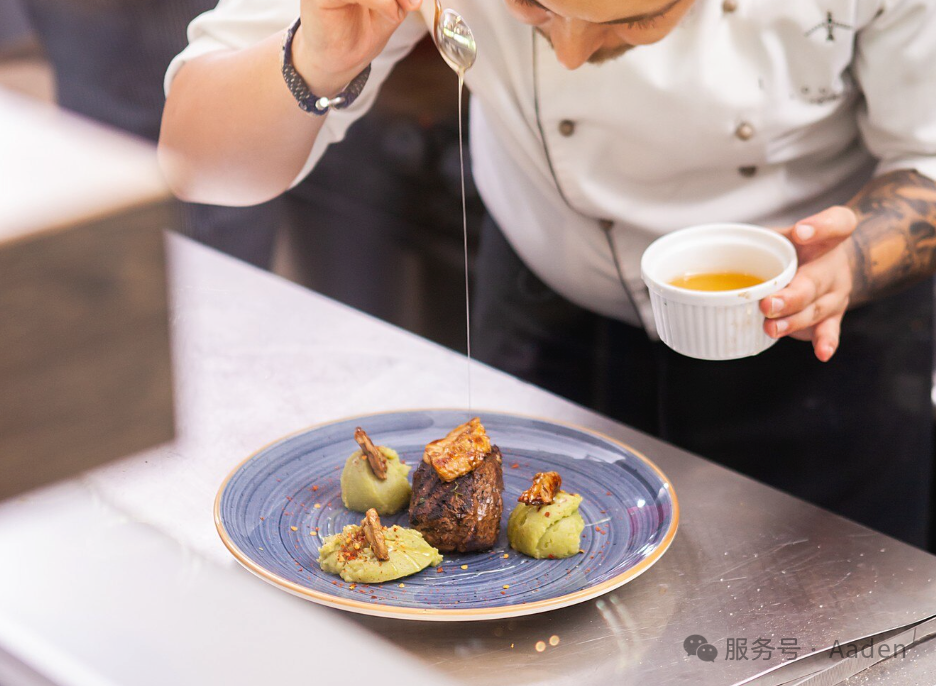
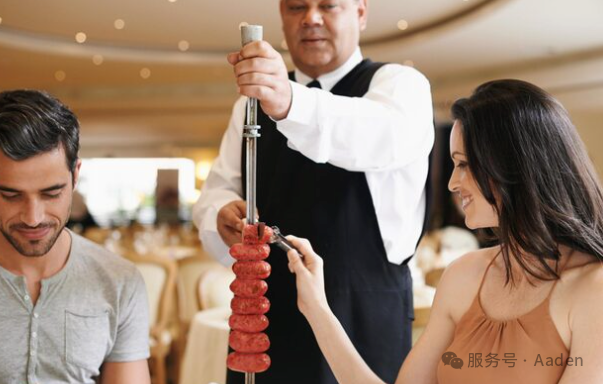
Service models are also evolving. Tableside service is making a comeback. Chefs or waiting staff perform final preparations in full view of guests: carving, saucing, plating or flambéing. This adds theatrical ritual and participatory joy to meals.
Interactive presentation also delivers high share‑worthy visual content, a key competitive advantage in the age of short‑form video and social‑media sharing.
Key Takeaways for Restaurant Operators
Do not fear “going back to basics” Open‑flame charcoal and smoke techniques belong not only to street food stalls; they can become your unique selling proposition. Even a well‑executed wood‑fire vegetable dish can draw returning guests.
Rediscover local heritage recipes Avoid blindly copying foreign culinary trends. Dig into regional home‑style classics. Reframe one or two memorable local dishes with quality ingredients and clean seasoning — they often resonate better than over‑engineered fusion creations.
Introduce subtle bitter and umami notes to your menu Test a bitter‑forward starter, for example roasted chicory with savoury sauce, or a tea‑smoked small plate. These dishes attract discerning diners who become your brand advocates.
Leverage “time‑driven” products as competitive edge Where kitchen space permits, develop time‑intensive house‑made items: fermented pickles, dry‑aged meat, slow‑simmered stocks. Competitors cannot easily replicate them, as they demand patience.
Design thoughtful non‑alcoholic drink options Elaborate mixology is not mandatory. Cold‑brew teas, fermented rice drinks or herbal infusions carefully matched to your food will win over growing numbers of non‑drinking younger guests.
Adopt bistro‑style relaxed confidence Avoid overcrowded menus. Master 3‑5 comforting signature dishes; focus on proper serving temperature, generous portions and well‑crafted sauces. Diners value consistent, reliable satisfaction far more than gimmicks.
Add one tableside‑finished dish Even a simple final touch: pouring hot broth, sprinkling spices or carving meat in front of guests. Low‑cost yet highly experiential, it generates organic social‑media exposure — free powerful marketing.
In 2026, hospitality competition is no longer about who is most innovative, but about who is most authentic. Slow down, master fire control, respect time‑tested traditions and refine fundamental craftsmanship. That is how you win over paying guests.


Scan the QR code to get your exclusive digital solution