


Europe’s catering industry is facing an unprecedented survival crisis.
Amid shrinking customer flow, soaring costs, labor shortages and high taxes, the once-vibrant European catering market has turned bleak. Restaurant closures, bankruptcies and layoffs have become the new norm. The crisis has spread from France across the whole of Europe, serving as a vivid microcosm of Europe’s economic slump, with countless catering practitioners struggling to survive.
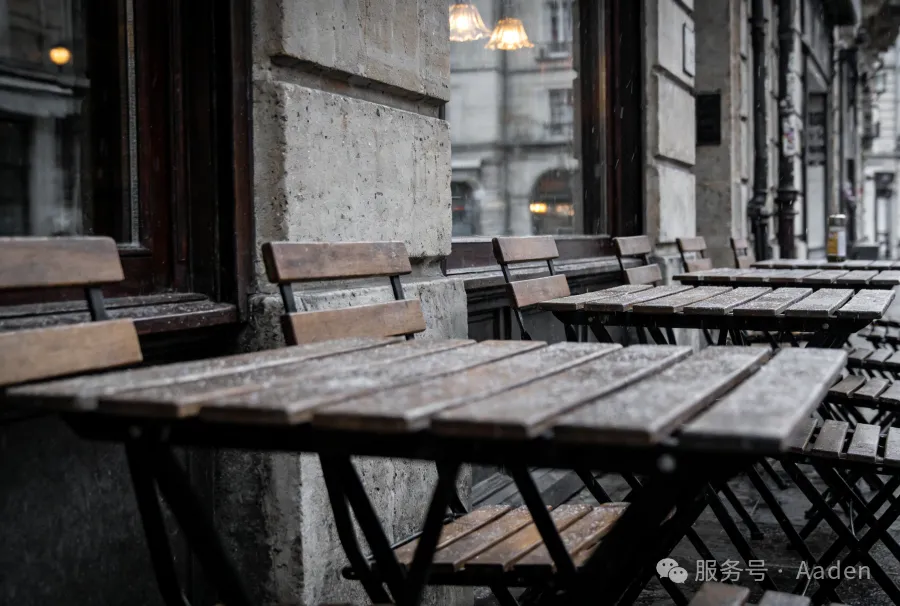
1. Europe’s Catering Sector Cools Down, Wave of Closures Intensifies
Since the summer of 2025, the downturn in Europe’s catering industry has continued to spread, sparing no country—from major tourist destinations to time-honored catering powerhouses. Relevant reports have trended widely online, revealing the industry’s decline everywhere.
As a benchmark for European catering, France suffered a sharp drop in customer flow at restaurants in core business districts hit by security policies during the 2024 Paris Olympic Games, with a plunge of up to 80% in some areas. The summer peak season failed entirely—a landmark event of Europe’s catering downturn widely reported by authoritative media including Xinhuanet. Once-packed outdoor terraces and distinctive eateries on the streets now stand mostly empty. Many restaurants have posted “For Sale” or “Closed” signs, and even long-established brands operating for decades have been forced to shut down.
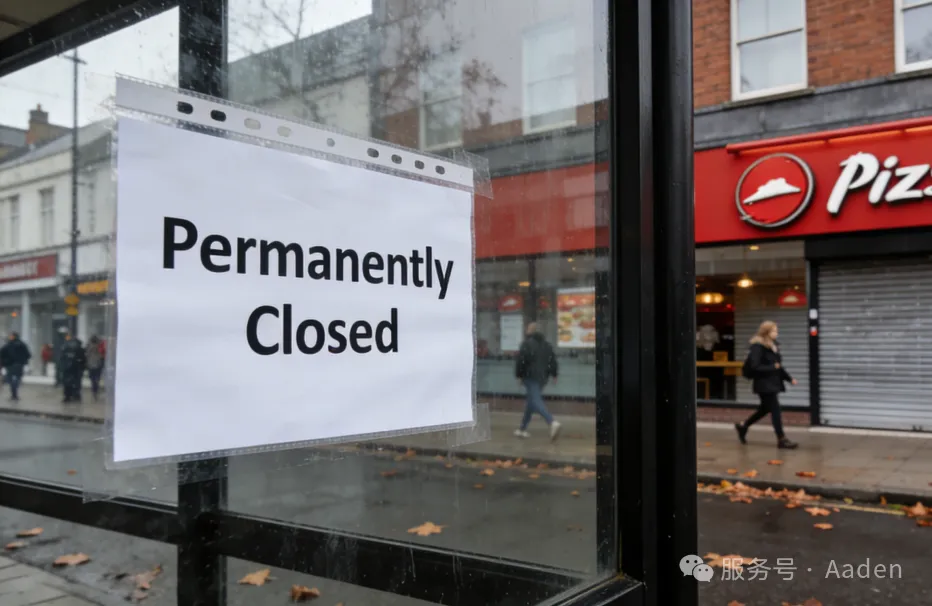
The downturn in the UK’s catering sector has sparked heated online debate. The number of pubs has fallen below 39,000, with closures accelerating to one per day on average. Even international chains such as Pizza Hut have not been spared, with 68 dine-in locations permanently closed and over 1,200 employees affected. Dual pressure from costs and weak demand has made industry survival extremely difficult. Household gatherings have replaced pub visits, and ready meals from supermarkets have taken the place of dine-in meals.
Germany’s beer gardens have lost their traditional peak-season advantage. On-site videos circulating online show empty venues, and official data confirms no sign of recovery: catering turnover remains about 15% below pre-pandemic levels. Many beer gardens have shortened business hours and streamlined menus to barely stay afloat.
A wave of catering bankruptcies has trended across Southern European countries including Spain and the Netherlands. Numerous small and medium-sized restaurants have been forced to close due to broken capital chains, with related topics repeatedly topping local social media trending lists. In the Netherlands alone, nearly 450 restaurants went bankrupt in one year—far exceeding the peak during the pandemic—reflecting the widespread plight of Europe’s catering industry.
2. Multiple Dilemmas Compound, Trapping Europe’s Catering in a “Death Spiral”
The downturn of Europe’s catering industry is no accident, but the result of overlapping challenges including weak demand, soaring costs and labor shortages, each causing immense suffering for restaurant owners.
Shrinking demand: Amid high inflation, per capita disposable income of European residents has declined, sharply weakening consumer willingness. As a non-essential expense, offline dining has become the first area where households cut spending. People are not only dining out less frequently but also spending less per visit, preferring more cost-effective alternatives such as fast food and supermarket ready meals, further depressing customer flow. Even promotional campaigns have failed to attract diners.
Persistent high costs: Energy and raw material prices have remained high for a long time; even partial declines have not returned to pre-pandemic levels. Coupled with rising commercial rent and taxes, profit margins in the already low-margin catering industry have been squeezed to the limit.
Intractable labor shortages: Structural labor shortages have become prominent across Europe. Characterized by high turnover and relatively low wages, the catering sector faces chronic difficulties in recruitment and retention. A shortage of service staff and chefs has left many restaurants unable to operate at full capacity. During peak seasons, terraces cannot be expanded and business hours cannot be extended; slower table turnover and declining service quality further dampen consumer sentiment, creating a vicious cycle.
3. Weak Recovery, Growing Polarization, Industry Consolidation Accelerates
In 2026, Europe’s catering industry will most likely maintain a trend of weak recovery and growing polarization, with intensified industry reshuffling and little chance of returning to past prosperity.
Leading catering chains, supported by economies of scale, strong bargaining power and complete supply chain systems, will maintain operational resilience. They may even acquire small outlets and seize market share amid the industry shake-up. However, a large number of small and medium-sized catering enterprises, lacking capital, differentiated advantages and tight cash flow, face a high risk of being eliminated by the market.
Industry recovery depends largely on improvements in household income, falling inflation, optimized tax and labor policies, and eased labor supply. As a microcosm of Europe’s long-term economic weakness, the catering sector still faces a long road to genuine recovery.

4. How to Navigate Future Market Development
As the vitality of Europe’s catering scene is consumed by persistent gloom, this crisis has gone far beyond the industry itself, becoming a true reflection of Europe’s “slow recovery.”
The outdoor dining tables of France, the traditional pubs of the UK, the beer gardens of Germany, and the corner bistros of Southern Europe—once bustling scenes are gone. Countless restaurant owners, trapped between rising costs and shrinking customer flow, have lost their former composure, left only with struggle and perseverance.
In this harsh winter, the extensive business model of simply “waiting for customers” is no longer enough to withstand market volatility. Uncontrolled costs, unstable customer flow and consumer downgrade are forcing European catering operators to break free from traditional thinking and rethink their survival strategies.
When the external environment is beyond control, the only thing within grasp is internal efficiency.
From efficient ordering and settlement, to seamless kitchen coordination, precise inventory control and refined membership operation, digitalization is no longer an option but a basic necessity to survive the winter.
Using intelligent systems to reduce labor costs, optimize inventory structures and improve table turnover is no longer a nice-to-have bonus, but a matter of life and death.
The era of relying on experience and intuition is over. Those that will stand firm amid industry reshuffling are undoubtedly restaurants that proactively embrace change and take the lead in intelligent upgrading.
Technology is not a panacea for difficulties, yet it has become the backbone of self-help for more and more European restaurant owners. In the bitter winter, it lights a faint ray of breakthrough for every perseverance.


Scan the code to get your exclusive digital solution