

For catering operators, a hit product is the store’s “traffic code”. It attracts new customers, improves customer retention, boosts profits, and even helps small stores stand out against competitors.
Yet reality often brings disappointment. Dishes developed by highly‑paid head chefs fail to win over diners. Viral items copied from trends lose popularity quickly and end up with poor sales. New products developed at great cost get pulled off menus hastily due to supply‑chain breakdowns or staff lacking proper cooking skills.
In truth, hit products do not come from sudden inspiration or luck. They stem from a replicable, practical systematic process. Many catering owners keep running into traps because they mistake personal preference for market demand, and blind development for targeted planning.
Breaking away from conventional product‑development mindsets and drawing on real‑world experience from thousands of catering outlets, we have compiled a full new guide for developing hit products. Whether you run a family‑run shop, a chain brand, or are a newcomer entrepreneur in catering, following these steps will help you cut unnecessary spending and launch successful hit products fast!
1. Pre‑Development Planning: Understand Demand Before Product Creation
The success of a hit product never starts in the kitchen — it begins with market insight. The biggest mistake many catering operators make is skipping pre‑planning and rushing straight into cooking experiments, only to end up with nothing to show for their efforts.
The core of pre‑development planning covers three pillars: identify customer demands, define clear positioning, and match your own operational capacity. Master these three, and you are halfway to successful product development.
Understand Demands: Precisely Match Your Target Audience
Claiming “young people are my target customers” is far too vague. Real demand insight means segmenting your audience and pinpointing pain points within specific consumption scenarios.
Take young people as an example. Office workers in business districts want fast service, good value for money and hassle‑free meals — portable rice bowls and light‑food sets work well for them. Youth around commercial shopping areas pursue eye‑catching, memorable dishes suitable for photos; creative fusion dishes and specialty snacks fit this group. Young residents in residential communities prefer homestyle flavours, generous portions and cost‑effectiveness, so home‑cooked dishes and stews perform best.
You do not need expensive market research. Read customer reviews on food‑delivery platforms, analyse store repurchase statistics, and observe best‑selling dishes at nearby competing outlets. These sources reveal customer taste preferences and price tolerance, and uncover unmet needs — the key breakthrough points for your hit product.

Define Positioning: Build Differentiation
The core of a hit product lies in differentiation, not trying to satisfy everyone. Many dishes underperform because of ambiguous positioning; customers cannot remember them and see no reason to order them.
Here is a simple positioning formula: For a specific pain point of a target group, our dish solves the problem with core strengths, leaving customers with one memorable keyword.
Example 1: Targeting community families who want to skip cooking yet crave home‑style flavours. Our slow‑braised pork ribs stand out with daily fresh stewing, zero additives and hearty portions, leaving customers with the impression of “home‑cooked taste”.
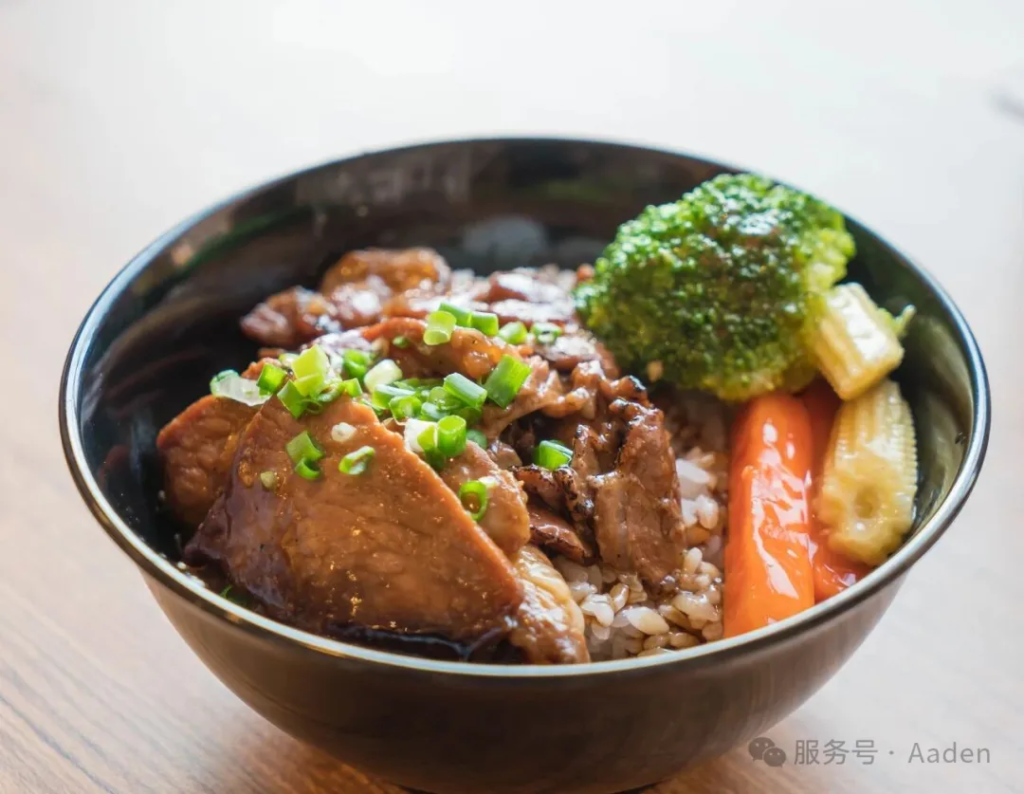
Example 2: Targeting office workers short on time who want quality meals. Our signature braised pork rice delivers fast serving, abundant meat and good value for money, remembered by customers as “quick and delicious”.
Match Your Own Capacity: Consider Supply Chains
Many owners copy popular hit products blindly without assessing their own supply‑chain conditions and store capabilities. What works for others may not work for you, and their successes are not always replicable.
Before development, ask yourself two critical questions: ① Can key ingredients for the intended dish be supplied stably? Are prices subject to sharp fluctuations? ② Can your store equipment and chefs support consistent preparation of this dish?
If you plan to serve freshly‑killed live fish, confirm reliable local suppliers with daily delivery. If you want specialty grilled skewers, check whether you have suitable grilling equipment and chefs skilled at controlling heat and seasoning. Product development detached from your supply chain and store capabilities, no matter how appealing or tasty the dish, remains nothing more than a castle in the air.
2. Core Product Development: Turn Ideas into Hit Dishes
With pre‑planning complete, move on to core development. The priority here is not maximum sensational flavour, but balancing great taste, simple preparation and easy replication. A restaurant is not a test kitchen. Even outstanding chef skills cannot create a hit product if results cannot be reproduced across locations or served quickly.
Step 1: Screen Ideas — Set Aside Personal Preferences
Product development starts not with cooking, but with idea screening. Many owners design dishes purely based on personal taste, thinking “I like this, so customers will too”, only to see poor sales due to ignoring real‑world market demand.
Follow this workflow:
Gather ideas: Sources include customer feedback (e.g. “I wish there was this flavour”), best‑selling competitors’ dishes, tasty meals you have sampled, and online food trends.
Initial screening: Eliminate ideas hampered by unstable supply chains, misaligned brand positioning, excessive costs or overly complex preparation. Keep 3‑5 feasible options.
Group tasting evaluation: Assemble a tasting panel including owners, head chefs, front‑of‑house managers and regular customers. Score candidates across five dimensions: flavour, visual appeal, operational difficulty, cost and market acceptance. Advance the top‑ranked two concepts for further refinement.

Step 2: Refine Details — Rely on Standards, Not Experience
Details determine whether a dish succeeds or fails. Poor‑performing, inconsistent dishes often stem from insufficient refinement, relying entirely on chefs’ subjective experience. Use this six‑dimension refinement framework:
- Ingredient matching: Pair main and supporting ingredients for balanced texture and controlled costs. For instance, radish braised ribs: radish absorbs savoury flavours while ribs provide rich aroma, delivering great taste at moderate cost.
- Ingredient processing: Set clear operational standards. Remove connective tissue from pork, slice beef against the grain, define exact blanching durations for vegetables. Quantify marinating time and water retention (e.g. marinate chicken for 15 minutes with 10% water retention) to guarantee consistent results for every serving.
- Flavour control: Prioritise mainstream public tastes and avoid overly niche, exotic profiles. Adjust spiciness in spicy dishes so both children and older adults can enjoy them. Add one memorable signature touch, for example proprietary spices in braised sauces to leave a lasting impression.
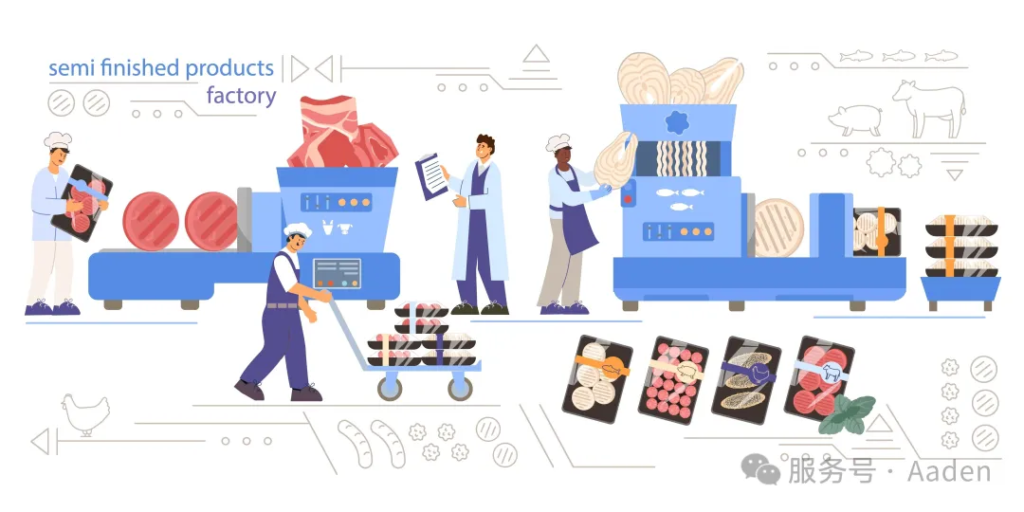
- Simplify operations: Factor service efficiency into development. Pre‑prepare complex procedures in advance: pre‑cook sauces and pre‑process raw materials. In‑store staff only need quick heating or stir‑frying to prevent slow service during peak hours.
- Visual presentation: Align with modern consumption habits. Keep plating simple and highlight the dish itself; use solid‑colour tableware accented with small amounts of green vegetables for attractive yet low‑cost presentation. Avoid non‑edible decorations, which are wasteful and increase expenses.
- Enhance dining experience: Give dishes memorable names, such as “Fermented Mustard‑Green Sea Bass” or “Home‑Style Slow‑Braised Free‑Range Chicken”. Add gentle prompts like “Best enjoyed hot” to improve customer experience.
Step 3: Standardise for Replicable Implementation
Scaling a hit product and rolling it out across chains hinges on standardisation. Many restaurants serve great food when their head chef is present, yet quality drops in their absence, due to lack of documented procedures.
Standardisation means simple, executable rules, not complicated paperwork. Quantify recipes: “6 g salt, 8 ml light soy sauce, stir‑fry for 20 seconds”, instead of vague instructions such as “a little salt, appropriate soy sauce”. Break cooking down into pre‑processing, cooking and plating, with clear benchmarks for each step, so even new chefs can achieve consistent results rapidly.
Do not launch new dishes immediately after development. Run limited‑scope testing: serve 10 portions during peak hours and collect customer feedback questionnaires covering purchase willingness, acceptable price points and suggested improvements. Adjust according to customer opinions, supply‑chain reality and marketing strategy before full official launch.

3.Execution & Roll‑out: Cross‑team Collaboration to Drive Strong Sales
Many catering operators develop excellent dishes yet fail to achieve good sales due to poor execution. Turning a dish into a hit requires joint efforts from marketing, operations, front‑of‑house and back‑of‑house teams. Manage pre‑launch, launch‑phase and post‑launch stages to translate product strengths into real‑world store revenue.
Pre‑launch: Complete Preparations to Avoid Operational Failures
Even great concepts fail without solid groundwork. Focus on three key tasks before launch:
- Material preparation: Verify stock levels, shelf life and storage requirements for new ingredients. Ensure refrigeration equipment is ready for cold‑storage items, and stock up on frequently‑used raw materials to prevent out‑of‑stock situations after launch.
- Equipment preparation: Inspect existing kitchen gear to confirm suitability for new dishes. Verify grill temperature for roasted items, check soup‑making equipment, to avoid compromised flavour and slow service caused by hardware issues.
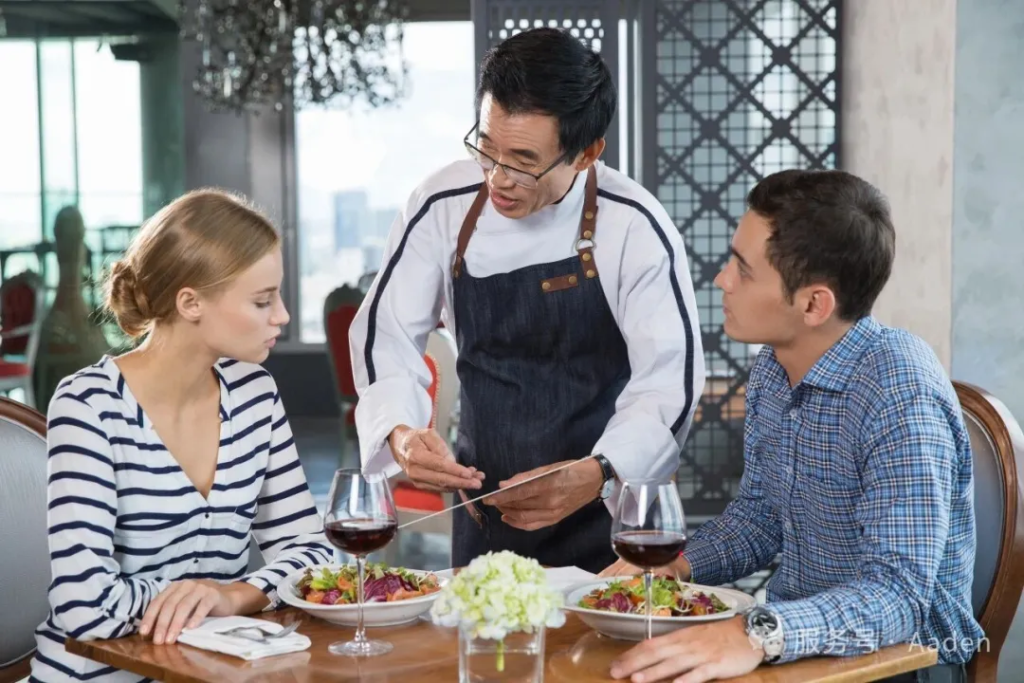
- Staff preparation: Train back‑of‑house chefs on standardised workflows for consistent flavour quality. Train front‑of‑house servers on product selling points so they can clearly introduce dish advantages and actively recommend items to guests.
Launch Phase: Active Promotion and Real‑time Adjustment
After release, do not wait passively for customers to order. Carry out proactive promotion and agile tweaks:
- In‑store promotion: Hang promotional banners at store entrances, place hit products in prominent positions on menus, use table standees, and encourage servers to make recommendations so every visiting guest notices the dish.
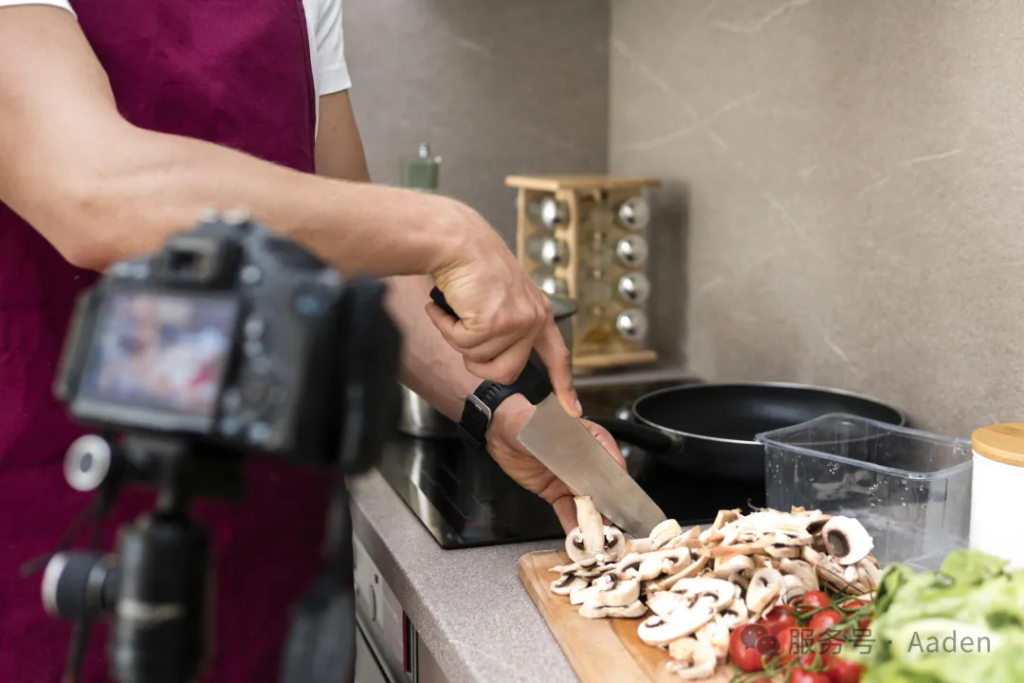
- Online promotion: Post behind‑the‑scenes production footage and customer testimonials on social platforms. Optimise photos and copy for food‑delivery platforms, and launch promotional offers such as “second portion half‑price” or combo discounts to draw online traffic.
Track daily sales figures and customer feedback continuously. Adjust recipes if diners report overly salty flavours; optimise workflows when service becomes slow, to safeguard product reputation.
Post‑launch: Review and Iterate for Long‑term Performance
A hit product’s lifecycle depends on continuous review and optimisation. Conduct thorough reviews 1‑3 months after launch:
- Analyse data: Study sales proportion, profit margins and repurchase rates. Identify what drives strong performance and pinpoint causes of declining sales.
- Gather feedback: Compile customer reviews to refine flavour, portion sizes and plating. Increase portion sizes if guests feel servings are too small to boost perceived value.
- Iterate and upgrade: When sales keep falling, update dishes according to seasons and trends. For example, create lighter versions of stews for summer, or add warm complementary sides for light‑food offerings in winter, to sustain customer interest.
Also design combo sales strategies pairing the hit product with high‑margin items or traffic‑drawing dishes, lifting average order value and letting the hit product truly boost overall store performance.
4. Conclusion: Process is King for Successful Hit‑product Implementation
Developing catering hit products is not overly complicated. The core principles are avoid arbitrary guesswork and blind trend‑chasing. Carry out pre‑planning to understand market demands, refine details in core development, and deliver via coordinated cross‑team execution.
Whether you run a small family‑owned restaurant or a large‑scale chain brand, mastering this framework and implementing every step thoroughly will help you cut wasted expenditure, steer clear of development and operational pitfalls, and create genuine hit products that attract new customers, retain patrons and raise profits.
Competition in the catering industry intensifies in 2026. The era of creating hit products relying solely on inspiration is over. Success comes from systematic processes, enabling steadier, longer‑term business growth!

Scan the QR code to get your exclusive digital solution