


Collecting money is not a skill; running smoothly is your real strength.
Many Chinese restaurant owners grow more exhausted over time, not from a lack of customers or lazy staff, but from total chaos during peak hours:
- Front desk staff write orders until their hands ache; wrong or missing orders are common occurrences.
- Kitchen staff shout orders until their voices go hoarse, yet still struggle to match orders amid walls of receipts.
- Delivery printers ring nonstop, while takeaway customers rush at the door, leaving you torn between both sides.
- When you finally reconcile accounts late at night after closing, you find inventory mismatches and unclear costs.
All the hard-earned money is drained away by internal inefficiencies.
In truth, there is only one core problem:
We only chose tools that “can collect payments”, not systems that “connect the entire store workflow”.
For Chinese restaurants in Europe, a POS system is never “the more complex the better”—instead, the better matched, the easier to use.
There is no need to pile on redundant features. Covering these 6 core scenarios is enough to turn your store from chaos to smooth operation, freeing owners from trivial troubles.
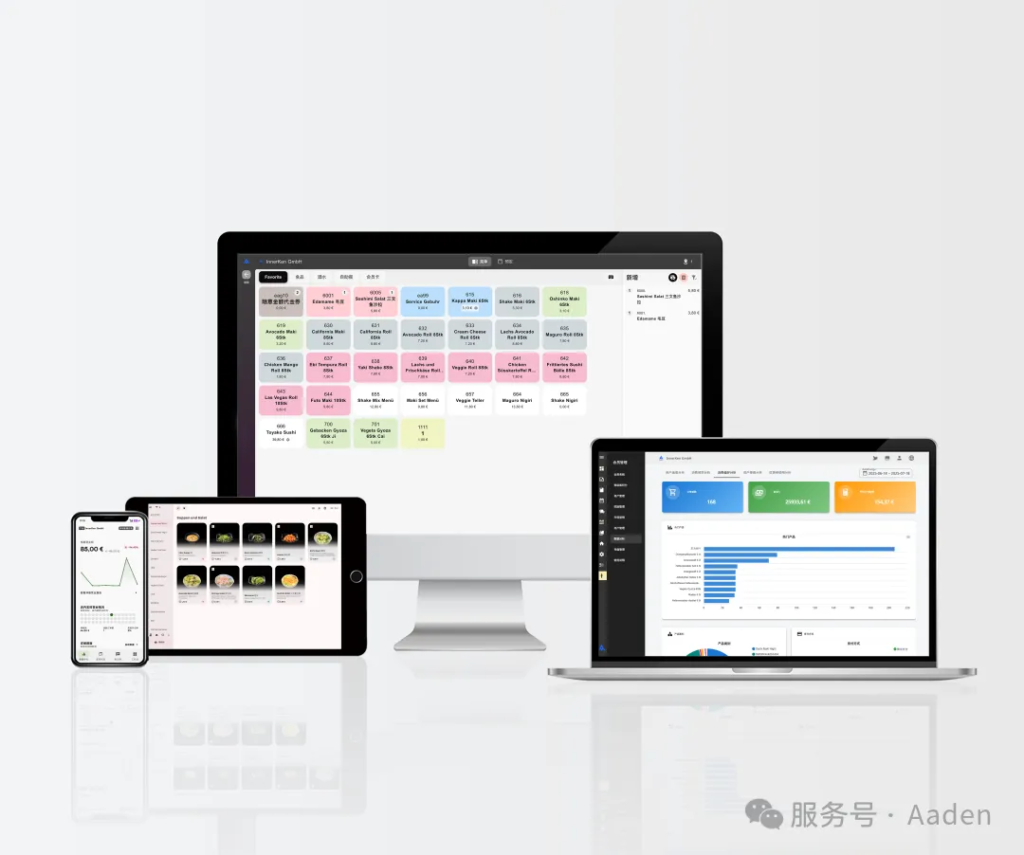
1.One System for All Business Models, No Repeated Hassles
Whether you run a formal Chinese restaurant, bubble tea fast food, café, or fusion Western eatery;whether you offer dine-in, takeaway, curbside pickup, or delivery—one fully integrated system covers it all.No need to switch systems or learn new operations for different formats.
Chinese owners can easily manage everything alone, eliminating the trouble of multi-system integration and saving massive time costs.
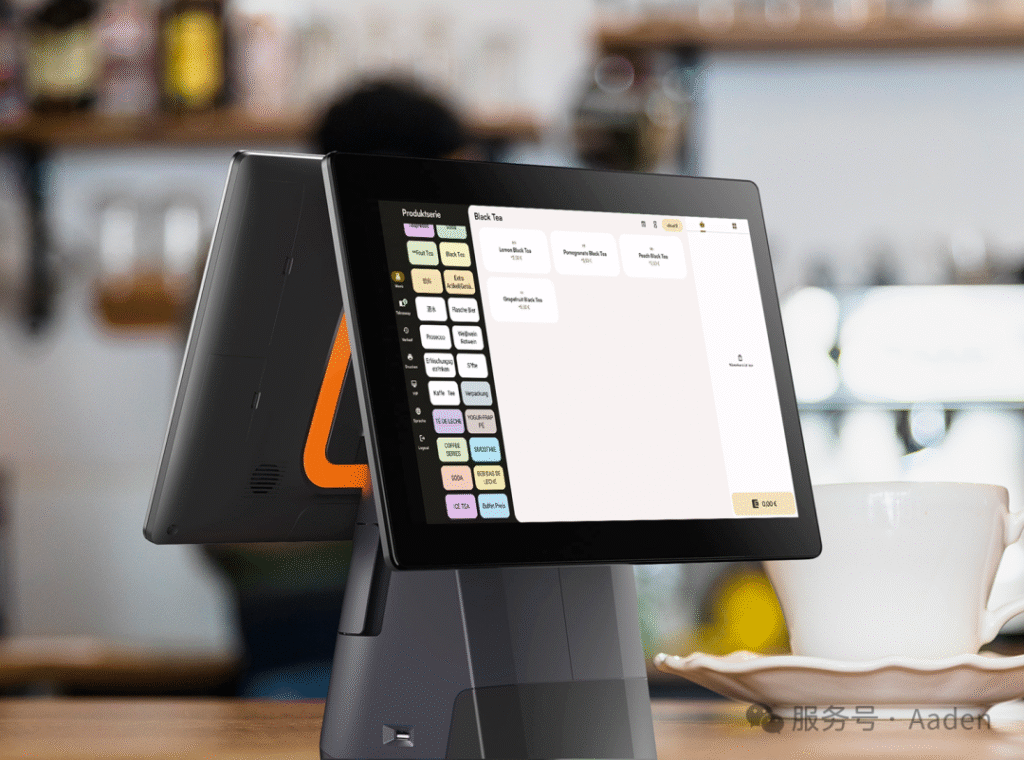
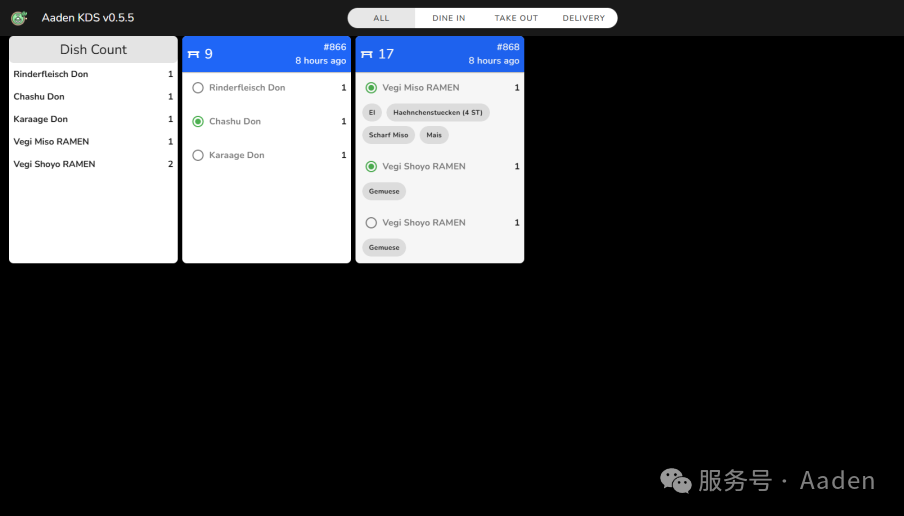
2. KDS Kitchen Display Screens: End “Shout-Order” Operations
Chefs can see at a glance which order to prepare first and which is urgent.No more shouting orders, no more sticking receipts all over the kitchen.One fewer mistake means one more profitable order. Staff also face less criticism and stay more stable.
3. Dual Support for Queue Calling & Reservations: Win Local Customers, Free Up Front Desk
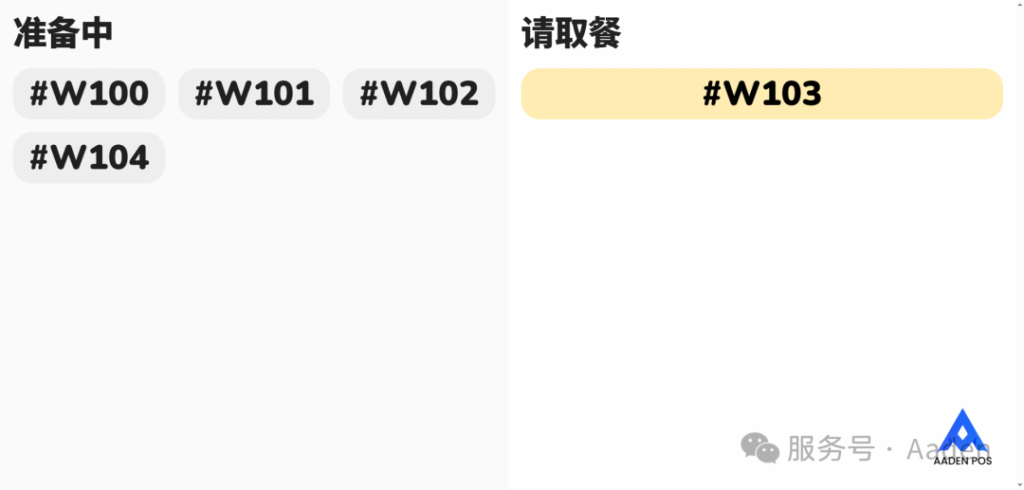
(TV screen interface customizable upon request)
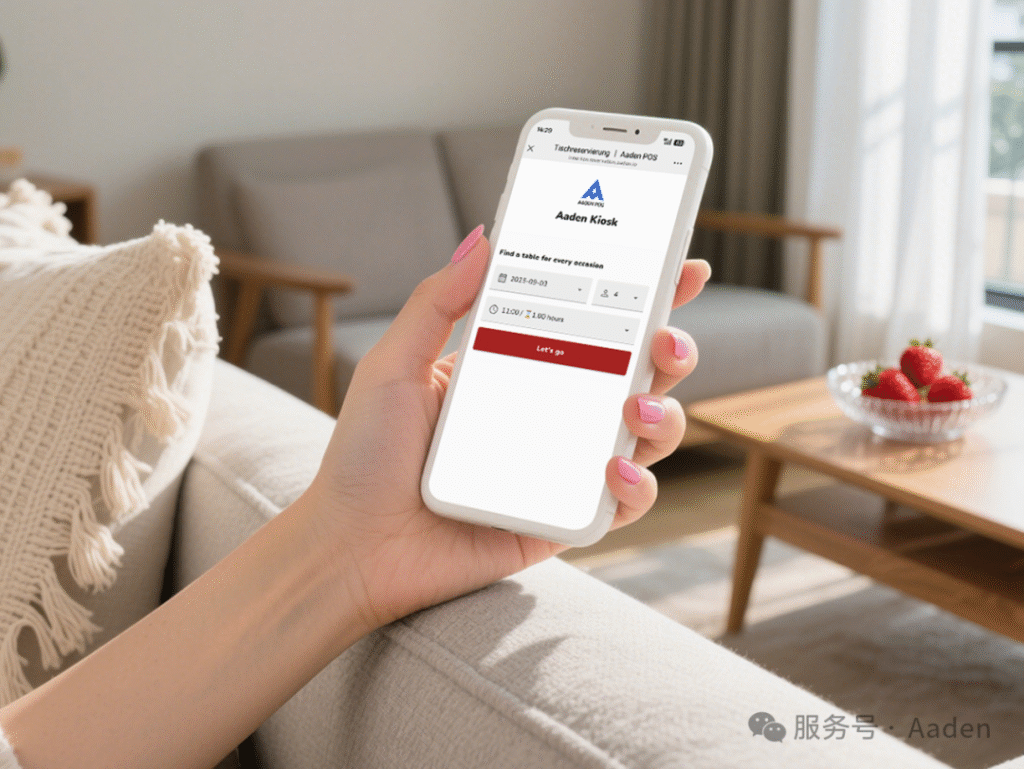
(Customer reservations via mobile phone)
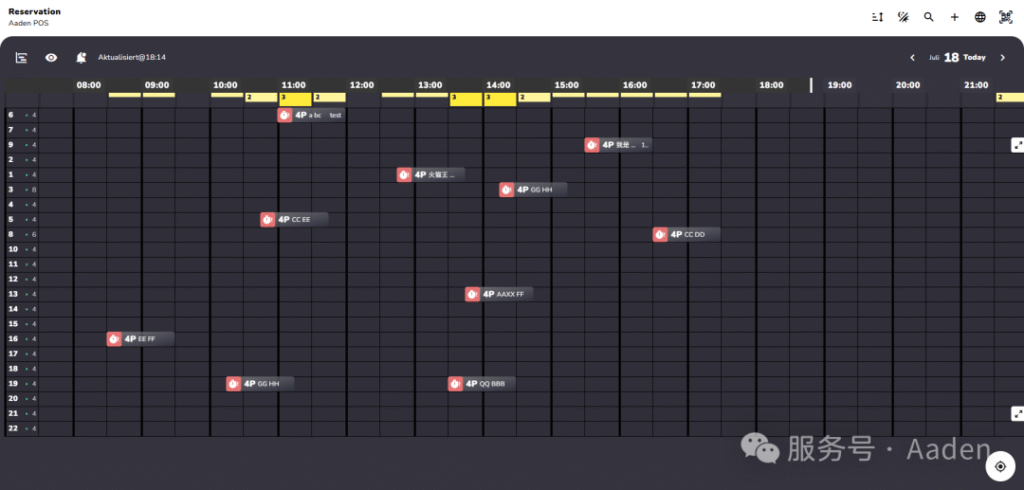
(Orders sent directly to the system)
4.Direct Delivery Integration: End Separate Data Silos
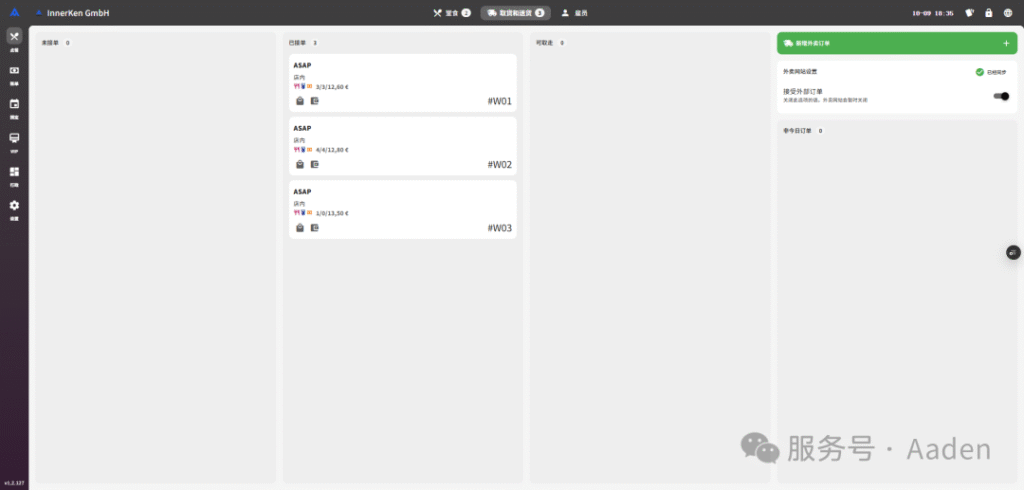
5.Smart Inventory Management: Protect “Invisible Profits”
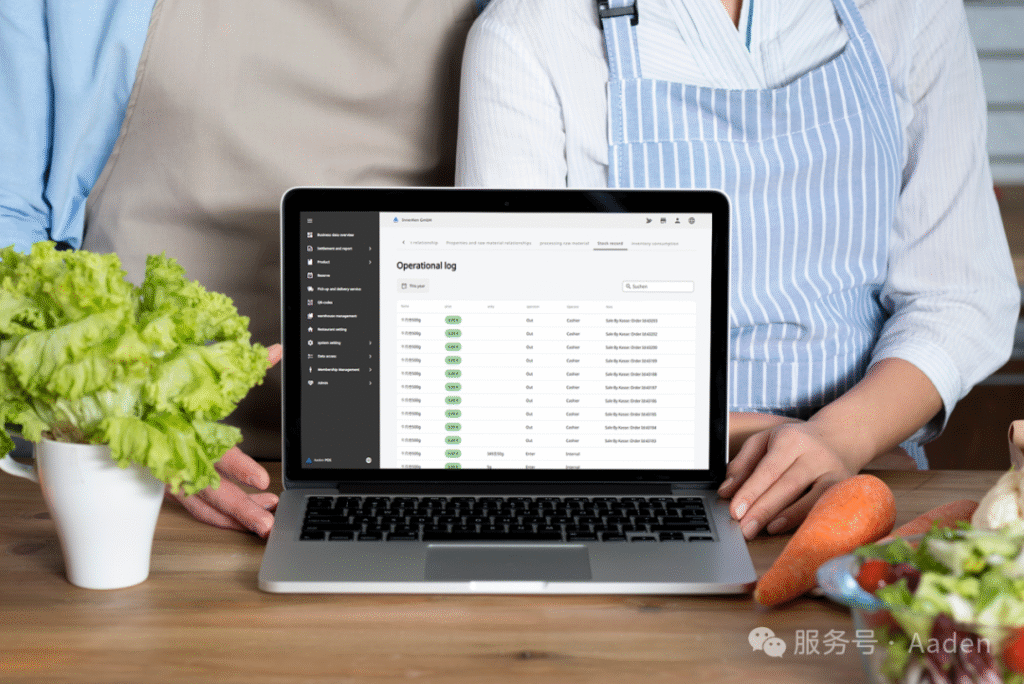
Important Reminder: Compliance Is Critical for Restaurants in Europe
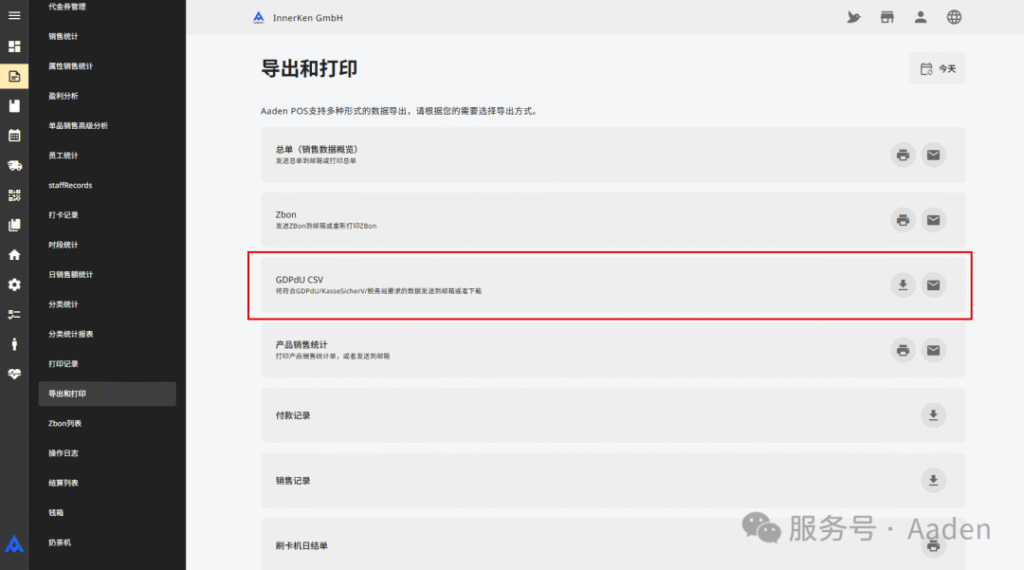
- Tax authorities only recognize system data that is traceable and exportable.
- All payment methods—cash, card, meal vouchers, delivery, etc.—must support one-click reconciliation.
- Tax control requirements vary across Germany, France, Spain, and other countries; the system must adapt precisely.
- Good business held back by inefficient, mismatched systems that amplify risks.
- Wanting to save effort but struggling with complicated foreign-language systems.
- Seeking compliant operations but unsure how to adapt to each country’s tax rules.
- Compliance requirements across European countries,
- Chinese business habits,
- Actual operational workflows of catering stores.

Scan the code to get your exclusive digital solution.