


Last summer, I sat down for a meal at a small Chinese restaurant in Berlin, Germany. During our chat, the owner smiled and sighed: “I’m rushed off my feet every day, but when I crunch the numbers at month-end, the cash in hand is always far less than I expected.”
Those words stuck with me. Later, I realized this was far from an isolated case—many Chinese restaurant owners across Europe are trapped in this dilemma: “busy on the surface, but razor-thin profits in reality.” Customers come, dishes are sold, yet take-home earnings keep shrinking, while the owners themselves are worn out to the point of exhaustion.
So where exactly lies the problem? It is not that the food lacks flavor, nor that the service is subpar. Instead, a set of “unspoken rules” in Europe’s catering market is quietly squeezing profit margins for Chinese restaurants from multiple angles. With various factors intertwined, profits are gradually eroded even when business seems booming.
1. The Failure of “Small Profits, Quick Turnover” Under High Costs
European catering is fundamentally defined by high labor, high rent, and high compliance costs. Local restaurants have long adapted to a profit model of “high average spend, low table turnover.” Yet most Chinese restaurants still cling to the domestic mindset of “low average spend, high table turnover, profiting through volume,” creating a fatal mismatch.
Worsening the situation is a severe labor shortage. In Italy, Chinese restaurants offer a monthly salary of €2,800 to recruit head chefs but still find no applicants; basic positions such as waiters and dishwashers remain chronically understaffed. The return of overseas Chinese after the pandemic has further deepened the shortage. Many restaurants, despite recovering passenger flow, cannot operate at full capacity due to insufficient staff. They ultimately fall into a cycle: the more they sell, the higher labor and compliance costs rise, and the lower profits become.

2. Experience-Based Management No Match for Digital Regulation
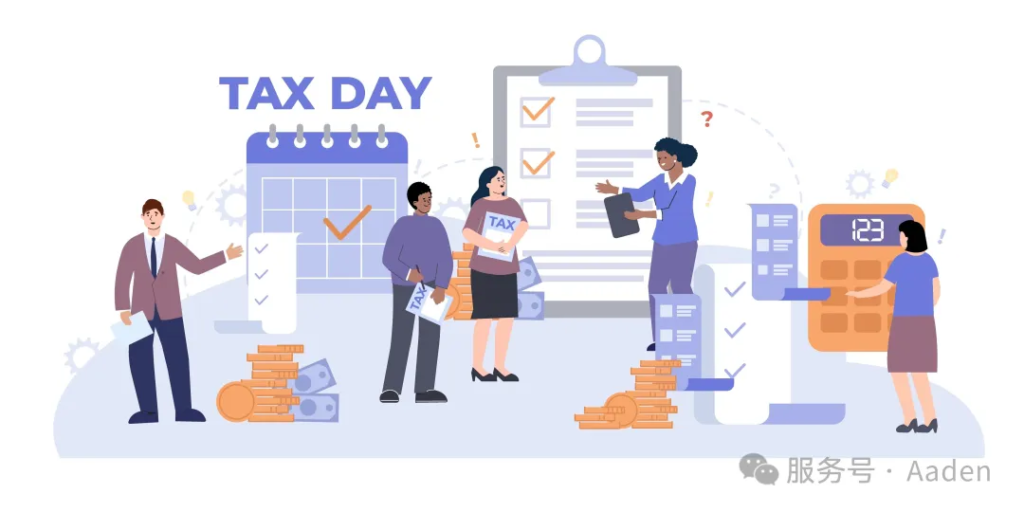
The strictness of tax and regulatory oversight in Europe far exceeds the expectations of many Chinese restaurant owners. Germany’s corporate income tax reaches 40%, and tax inspections in Spain, Italy and other countries are becoming increasingly stringent. Restaurants with disorganized accounts or non-compliant invoices often face heavy fines.
As the EU advances digital transformation, electronic invoicing and tax monitoring systems are becoming more sophisticated, putting restaurants lacking digital management capabilities at an even greater disadvantage. Many still use domestic POS machines, tablet ordering or even handwritten records, yet Europe clearly requires every sale to be tamper-proof and traceable, meeting tax control standards. Non-compliant systems may be deemed illegal, further depleting already meager profits.
3. Invisible Operational “Blind Spots”
Operational data for many Chinese restaurants remains fragmented: card transaction data sits with banks, delivery orders are trapped in platforms, cash is kept in drawers, and accounts rely entirely on accountants to compile. Owners have no way of grasping their true business performance.
Meanwhile, fragmented or limited payment methods exacerbate the crisis: some only accept cash, while others stick to domestic POS systems incompatible with mainstream European bank cards, credit cards and local QR code payments. This not only drives away customers but also raises tax filing risks due to the inability to integrate data uniformly. Replacing “data-driven decisions” with “intuition-based judgment” easily leads to mistakes in cost control and menu adjustments, further squeezing profits.

4. The Dilemma Between Localization and Authenticity
For a long time, Chinese food in Europe has been labeled as “cheap fast food.” Despite the emergence of high-end Chinese restaurants in recent years, this stereotype remains unshakable, hindering upscale transformation.
Owners are often caught in a dilemma: attracting local consumers requires adapting to their dining habits (focusing on ambiance, food-and-wine pairing, service experience), which demands extra investment; sticking to traditional Chinese flavors may lead to losses amid fierce competition. Some even switch to Japanese or Korean cuisine to cater to the market, abandoning the core advantages of Chinese food entirely and falling into deeper operational confusion.
The predicament of Chinese restaurants is systemic; piecemeal adjustments such as “working harder or cutting costs” alone cannot solve it. The core breakthrough lies in building an operational system tailored to the European market through systematic and digital integration—closing the loop on compliance, payments, operations and data to both abide by local rules and boost efficiency while preserving profits.
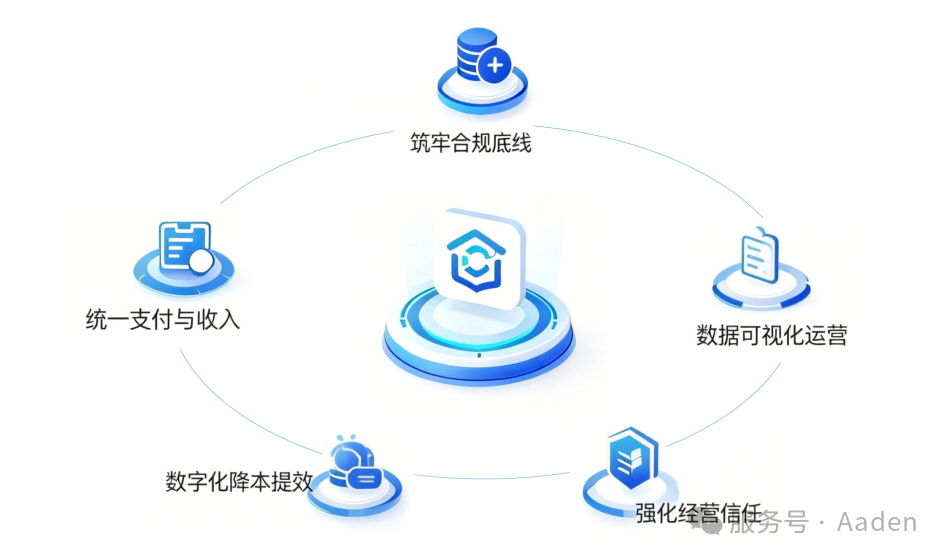
Here are five actionable pathways, each targeting the core sources of profit loss:
Unify Payments and Revenue Management, Break Down Data Barriers
Integrate all revenue channels including cash, card payments and delivery orders for unified bookkeeping. Meanwhile, adapt to mainstream European payment methods such as bank cards, credit cards and local QR codes to avoid losing customers. More crucially, form a unified data view to eliminate blind spots caused by scattered data across platforms and gain full visibility into real revenue.
Strengthen Compliance Bottom Lines, Avoid Tax Risks
Rely on systems compliant with European tax control standards to ensure every sale is tamper-proof and traceable, automatically adapting to tax rates and invoice regulations across countries. This not only avoids fines from non-compliance but also streamlines tax filing and reduces manual accounting costs.
Data-Driven Visual Operations for Precise Profit Growth
Automatically generate operational reports via the system to clearly present core data such as daily gross profit, ingredient costs, peak customer hours and best-selling dishes. Owners no longer need to rely on intuition; they can precisely adjust menus, optimize procurement volumes and control costs, ensuring every penny invested yields returns.
Boost Efficiency Through Digitalization, Reduce Labor Costs
Integrate tablet and mobile QR code ordering with kitchen display systems to cut manual steps and errors in ordering and food running. Automated reconciliation and report generation also reduce manpower for accounting and cashiers. Against Europe’s high labor costs, digital efficiency gains directly translate into higher profits.
Enhance Operational Credibility, Expand Development Space
A unified and compliant data system allows banks, tax authorities and investors to clearly see a restaurant’s stable performance. This not only eases tax inspections but also strengthens eligibility for financing and policy support, paving the way for long-term growth.
This is why a growing number of Chinese restaurants are turning to Aaden. It offers far more than a simple cash register—it provides a full-process operational integration solution tailored for the European market.
From payment integration and compliance control to data visualization and operational efficiency, Aaden streamlines every operational link—cash, card payments, delivery, ordering—into a manageable, traceable and optimizable system. Owners no longer need to worry about data, taxes and payments, and can finally refocus on what they do best: food and service.
Running a restaurant in Europe was never about who works harder, but who leverages tools smarter. By adopting the right digital tools and unclogging operational bottlenecks, bustling business can finally turn into tangible profits.

Scan the code to get your exclusive digital solution.